Challenging Dogma: How Atheist Voices are Changing SA’s Public Discourse by 2026
South Africa, a nation celebrated for its vibrant diversity and a constitution rooted in human rights, has long been characterized by a deeply religious public sphere. From political speeches invoking divine guidance to religious instruction in schools, faith has historically played a significant role in shaping the country’s social and moral fabric. However, as we approach 2026, a quiet yet profound shift is underway: the increasing visibility and influence of atheist voices challenging long-held dogmas and enriching South Africa’s public discourse.
\n\n\n\nA Nation Steeped in Faith: The Traditional Landscape
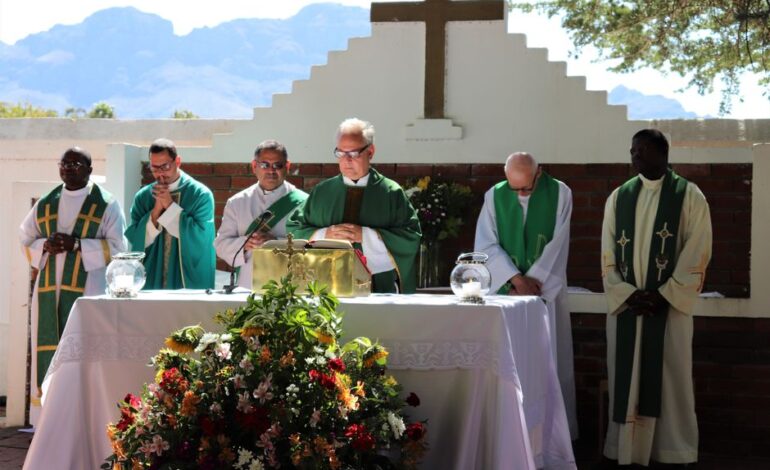
\n\n\n\nFor centuries, South Africa’s identity has been intertwined with various religious traditions. Christianity, in its many denominations, holds the largest following, with significant communities also adhering to African Traditional Religions, Islam, Hinduism, and Judaism. This rich tapestry of belief systems has often provided a moral compass, community cohesion, and a framework for understanding the world. Consequently, public discourse, policy-making, and social norms have frequently operated within a predominantly religious paradigm, with secular perspectives often marginalized or misunderstood.
\n\n\n\nThe Quiet Emergence: Atheism Finds Its Voice
\n\n\n\nWhile atheism and non-religious worldviews have always existed, their public expression in South Africa has historically been subdued due to potential social stigma and the perceived dominance of religious belief. However, several factors are contributing to their growing visibility:
\n\n\n\n- \n
- Global Trends: A worldwide increase in secularism and non-religious populations, particularly among younger generations, is mirrored in South Africa. \n
- Internet and Social Media: Digital platforms provide safe spaces for non-believers to connect, share experiences, and organize, fostering a sense of community and reducing isolation. \n
- Local Advocacy Groups: Organizations like Free Society Institute (a fictional example, but represents actual groups) and various humanist associations are actively promoting secular values, critical thinking, and the rights of non-believers. \n
- Constitutional Freedoms: South Africa’s progressive constitution guarantees freedom of conscience, religion, thought, belief, and opinion, providing a legal framework for atheists to express their views without fear of legal reprisal. \n
Areas of Impact: How Atheist Voices are Shifting Discourse
\n\n\n\nBy 2026, atheist voices are projected to have a more pronounced impact across several key areas of South African public discourse:
\n\n\n\n1. Politics and Governance: Calls for Secularism
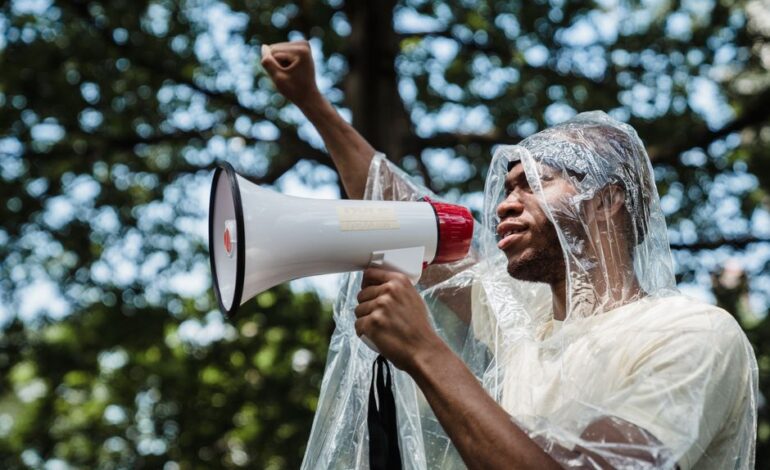
\n\n\n\nAtheist and secular advocates are increasingly pushing for a stricter separation of church and state. This includes challenging policies or practices that privilege religious institutions, advocating for evidence-based policymaking over religiously motivated decisions, and promoting a government that serves all citizens equally, regardless of their belief system. Debates around religious holidays, public funding for religious schools, and the role of religious leaders in state ceremonies are becoming more prominent.
\n\n\n\n2. Education: Promoting Critical Thinking and Inclusivity
\n\n\n\nThe role of religious instruction in public schools is a significant area of contention. Atheist voices are advocating for an inclusive curriculum that teaches about all worldviews, including secularism, rather than promoting one specific religion. They emphasize the importance of critical thinking, scientific literacy, and human rights education, equipping students to analyze information and form their own conclusions, irrespective of inherited beliefs.
3. Social Issues and Human Rights: A Secular Ethical Framework
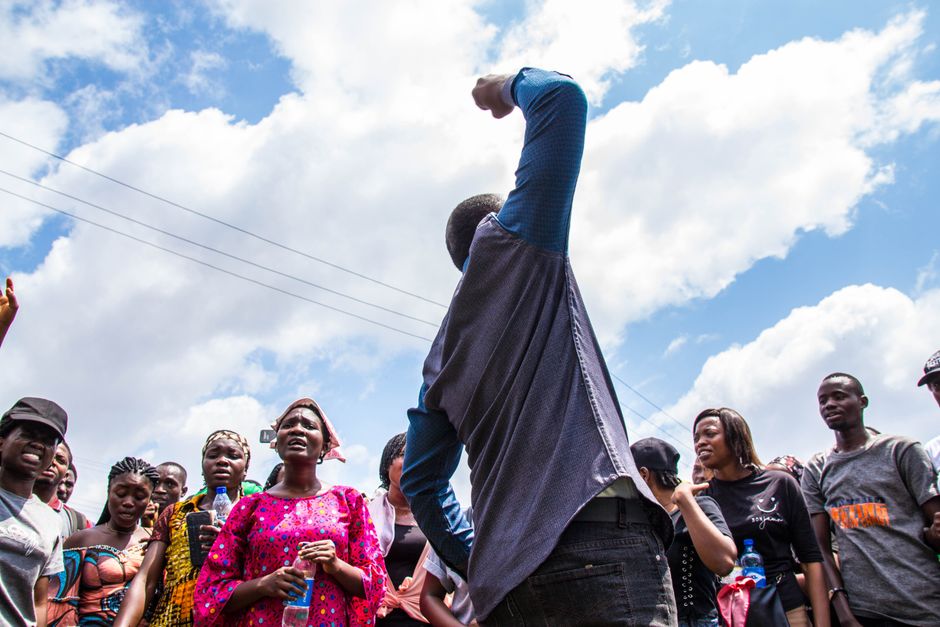
\n\n\n\nMany social debates in South Africa, from LGBTQ+ rights to women’s reproductive health, often encounter opposition rooted in religious dogma. Atheist voices are providing a powerful counter-narrative, arguing for human rights, bodily autonomy, and equality based on secular ethics and universal principles rather than divine command. They challenge the notion that morality is solely derived from religion, presenting a compelling case for a compassionate, rational, and human-centered ethical framework.
\n\n\n\n4. Media and Culture: Challenging Stereotypes and Fostering Dialogue
\n\n\n\nIncreasingly, atheists are appearing in mainstream media – on talk shows, in opinion pieces, and through documentaries – to share their perspectives. This growing visibility helps to dismantle misconceptions and stereotypes (e.g., that atheists are immoral, nihilistic, or devil worshippers). Their contributions foster a more nuanced public dialogue, where non-religious viewpoints are recognized as legitimate and valuable components of the national conversation.
\n\n\n\nChallenges and Misconceptions
\n\n\n\nDespite progress, atheist voices still face significant challenges. Misinformation, prejudice, and a lack of understanding persist. Accusations of promoting immorality, nihilism, or even being un-South African are not uncommon. Overcoming these deeply ingrained biases requires sustained effort, education, and a commitment to respectful dialogue from all sides.
\n\n\n\nLooking Ahead to 2026: A More Nuanced Dialogue
\n\n\n\nBy 2026, the influence of atheist voices is not expected to diminish faith in South Africa, but rather to enrich the public square. Their contributions will likely lead to:
\n\n\n\n- \n
- Greater Inclusivity: Public discourse will become more representative of all South Africans, including the non-religious. \n
- Enhanced Critical Thinking: A stronger emphasis on reason, evidence, and logical argumentation in debates about public policy and social issues. \n
- Robust Ethical Debates: A deeper exploration of secular ethics and human-centered morality as alternatives or complements to religiously derived principles. \n
- Stronger Secular Governance: Continued pressure for a government that truly separates church and state, ensuring fairness and equality for all citizens. \n
Conclusion: The Strength of Diverse Perspectives
\n\n\n\nThe rise of atheist voices in South Africa’s public discourse by 2026 is a testament to the nation’s commitment to freedom of thought and expression. It signifies a maturing democracy where diverse worldviews can openly contribute to shaping society. While challenging dogma can be uncomfortable, it is essential for progress, fostering a more critical, inclusive, and compassionate South Africa for everyone, believers and non-believers alike. The goal is not to eradicate faith, but to ensure that all voices, based on reason, empathy, and evidence, contribute to a truly robust and representative national conversation.
\n\n\n\nWhat are your thoughts on the evolving role of atheist voices in South Africa? Share your perspective in the comments below!
\n”, “imageQuery”: “South Africa critical thinking discussion” }